An instrument for the written word
Write the book. Keep the pen.
Raven is an AI companion for fiction — a manuscript page set like a printed book, counsel that has read every word of your draft, and edits that wait for your yes.
The Manuscript
A page set like a printed book.
Chapters in type, margins kept, breaks that fall where a printer would put them — prose or screenplay. No rulers, no chrome. Only the words and the room they stand in.
The Chat
It has read your draft.
Ask beside the page and Raven answers from inside your story — your characters, your chapters, your loose ends. It counsels. It never takes the pen.
The Revision
Edits you can refuse.
Select a passage and say what you want. The change lands as a diff on the line — old words struck, new words lit. Take it, or send it back. Nothing moves without your hand.
The revision, on the line
She closed the door quietly, so no one would hear, and stood in the dark hall, listening, counting the breaths of the sleeping house.
One suggestion — take it, or refuse it
The Cover
A cover from your own pages.
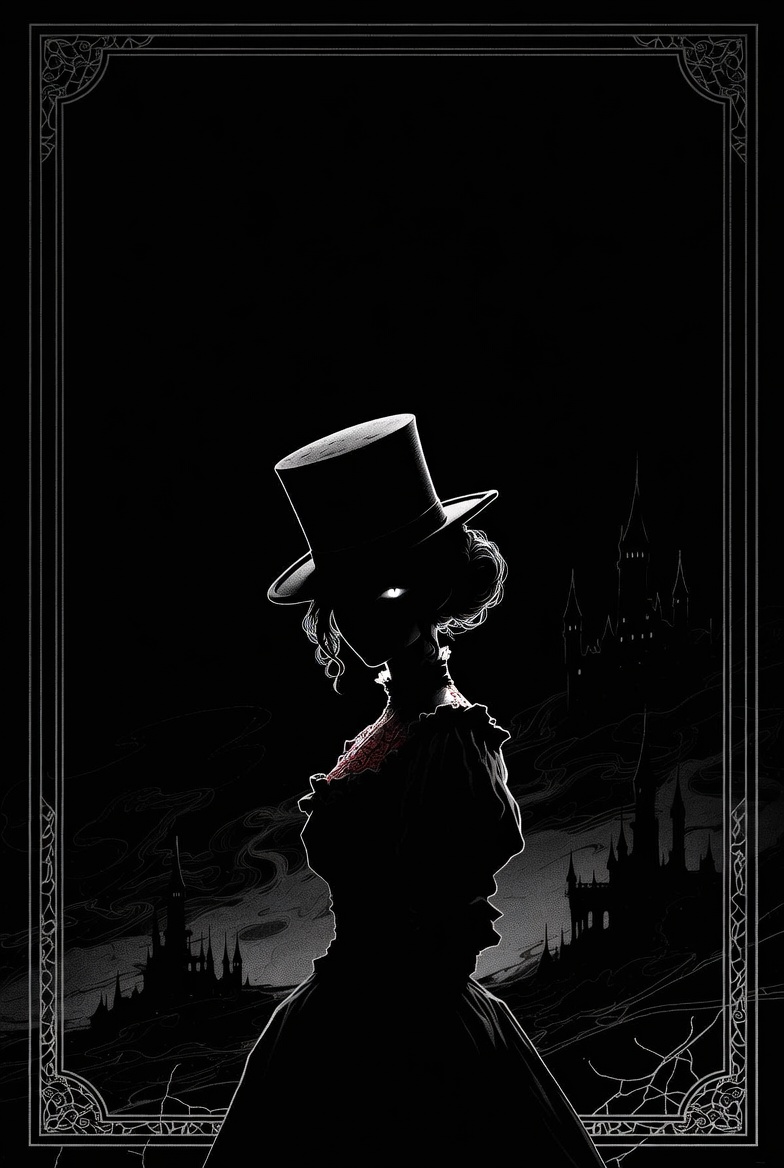
When the last word is set, Raven reads the manuscript and paints the book it became — art drawn from your story, not from a template.
A Story